ABRSM & DSA
ABRSM and DSA, explained.
ABRSM is a standard recognised the world over, and its grades open real doors, from school admissions to university. Here is a plain, honest guide to how the grades work, and how a music record fits Direct School Admission.
Direct School Admission
In Singapore, music is a recognised talent route for Direct School Admission, to both secondary schools and junior colleges. A strong ABRSM record is evidence a student can put forward, alongside the audition each school runs. It strengthens an application; it never guarantees a place, and the academic results still have to clear the bar.
University applications
In the UK, ABRSM Grades 6 to 8 carry UCAS points that count toward a university offer, with the weight and conditions set by each university. Some leading universities, Cambridge and Oxford among them, accept ABRSM music theory toward the entry requirements for a music degree.
An international standard
ABRSM is regulated in the UK and recognised around the world, and some universities abroad accept it as evidence in a music application. For a conservatory performance degree the audition itself decides, so the grades are the preparation that carries a student there.
Recognition, and the conditions attached to it, change from year to year and vary by country and school. We will give you an honest read for your child’s situation.
ABRSM exams
How the ABRSM grades work.
ABRSM is the UK exam board whose graded music exams are taken all over the world, and widely in Singapore. The grades give a student a clear, externally marked path, from a first exam to professional diplomas.
The graded path
- Initial
- 1
- 2
- 3
- 4
- 5
- 6
- 7
- 8
- ARSM
- LRSM
- FRSM
From an Initial Grade through Grade 8, then the ABRSM performance diplomas, ARSM, LRSM and FRSM, a separate advanced tier.
Two ways to take a grade
Online · now the main way
Performance Grade
A single video of four pieces, three from the syllabus lists and one of the student's own choosing, recorded and submitted online at any time. There are no scales, sight-reading or aural tests.
In person · still available
Practical Grade
Taken face to face at an ABRSM venue, in fixed sessions across the year, with four parts: three pieces, scales and arpeggios, sight-reading and aural tests.
How it is marked
A student does not need to pass every section to pass overall. Both routes reach the same grade level, and from Grade 6 a Grade 5 pass in music theory comes first.
Direct School Admission
How a music record fits Direct School Admission.
Direct School Admission, or DSA, lets a student seek a place for a talent like music, separately from the national exam. It runs for both secondary schools and junior colleges, and it is one of the more confusing parts of the journey, so here is the honest version.
Apply before the national exam
A student applies through one central MOE application, listing school choices for a talent like music. For secondary it runs in Primary 6, before the PSLE; for junior college, before the O-Levels.
Schools shortlist and audition
Each school runs its own selection: a live audition, sometimes a theory test, and an interview. Different schools look for different things.
Offers, then preferences
Shortlisted students receive a Confirmed Offer or a waitlist place, then rank their DSA schools in a preference window later in the year.
The academic gate still counts
A DSA place is not a bypass. The student must still meet the school’s academic bar, the PSLE posting group for secondary, or O-Level qualification for junior college. DSA opens a door; the exam still has to clear it.
Allocation, and a commitment
Places are confirmed with the national results, and accepting a DSA place means staying with that school, forgoing the usual posting or joint admission afterwards.
What schools look for in music
A portfolio
A short personal statement, a music teacher’s recommendation, and a record of achievements. ABRSM is among the kinds of evidence schools accept.
An audition
A live audition, and sometimes a theory test, is the heart of the selection. It is where a student shows what they can really do, and it is what decides.
An interview
A conversation about the student’s interest in music and their commitment to it, and how they might add to the school’s own music life.
Where ABRSM fits, honestly
A strong ABRSM record is recognised evidence a child can put forward: an external, examined standard that shows real commitment, and it can strengthen a music application. But no school publishes a required grade, the audition decides, and some schools run their own tests and do not use ABRSM at all. No grade secures a place, and an offer is never guaranteed. We will give you an honest read of where your child stands.
Applications open before the national exam and MOE sets fresh dates each year, so we point you to the current window rather than a date that goes stale.
How Music Act helps.
Rooms to prepare and record
When the time comes, our practice and recording studios give a student a quiet room and a fine piano to prepare, and to record an online ABRSM submission.
Real preparation
Steady preparation through the year builds the calm an exam asks for, so the day itself feels familiar rather than a leap into the unknown.
An honest plan
We map a realistic grade timeline with you, and give a straight answer on where DSA does and does not fit, so your family goes in with grounded expectations.
Music studios
Rooms to practise, and to record.
Book a quiet room and a fine upright piano, for practise and to record ABRSM online submissions. Open to all, with preferred rates for our Music Act students. Subject to availability at our centres.
Large room
Music Act students $36/hr · $22/30min
Public $48/hr · $28/30min
Small room
Music Act students $14/hr · $7/30min
Public $20/hr · $10/30min
Questions
Common questions from parents.
Do you have to take ABRSM exams to learn here?
No. Exams are optional. Many students learn for the love of it; others use the grades as milestones along the way. We will guide you either way.
What is the difference between a Practical Grade and a Performance Grade?
A Practical Grade is taken in person and includes all four parts. A Performance Grade is a video recording of four pieces only, submitted online, with no scales, sight-reading or aural. Both reach the same grade level.
Does my child need music theory?
Yes, from Grade 6. ABRSM asks for a Grade 5 pass in music theory before a student can take Grades 6, 7 and 8. The earlier grades have no such requirement.
Do ABRSM grades count for university?
In the UK, Grades 6 to 8 carry UCAS points toward a university offer, and some universities accept ABRSM music theory toward a music degree’s entry requirements. Elsewhere it varies, and a performance degree is decided by audition. The grades are strong preparation and evidence, not an automatic key.
Does a high ABRSM grade get my child into a school through DSA?
No. A strong ABRSM record can support a music application as recognised evidence, but no school publishes a required grade, and no grade guarantees a place. The audition decides, and each school sets its own bar.
Does DSA apply to junior colleges too?
Yes. DSA runs for both secondary schools and junior colleges. For a JC place a student applies before the O-Levels on a talent like music, and the O-Level results still have to meet the school’s bar.
When do we apply for DSA?
For secondary, in Primary 6; for junior college, before the O-Levels. The windows usually fall around the middle of the year, but MOE sets fresh dates annually, so we point families to the current dates rather than a date that goes stale.
Which schools accept ABRSM for DSA?
It varies. Some schools list ABRSM as one example of acceptable portfolio evidence; others run their own auditions and do not refer to it at all. We can talk through what suits your child.
How much do exams cost, and when are they held?
ABRSM sets the exam fees and dates, and they change from year to year, so we share the current figures when you enquire. Practical exams run in several sessions across the year, set by ABRSM; Performance Grades are recorded and submitted online at any time.
Where do the exams happen?
Most ABRSM exams are now Performance Grades, recorded as a single video and submitted online, so they happen wherever the student records. Our practice and recording studios give students a quiet room and a fine piano to prepare and record their submission. Face-to-face Practical Grades are held at ABRSM venues.
Contact us
Come and talk to us.
We'd love to hear from you! Whether it is a music class, an instrument purchase or music studio rental, let us know how we can help!
- WhatsApp · Choa Chu Kang 8030 2009
- WhatsApp · Hougang 8701 9818
- Email enquiries@musicact.sg
 Yamaha Licensed Music School
Yamaha Authorised Dealer
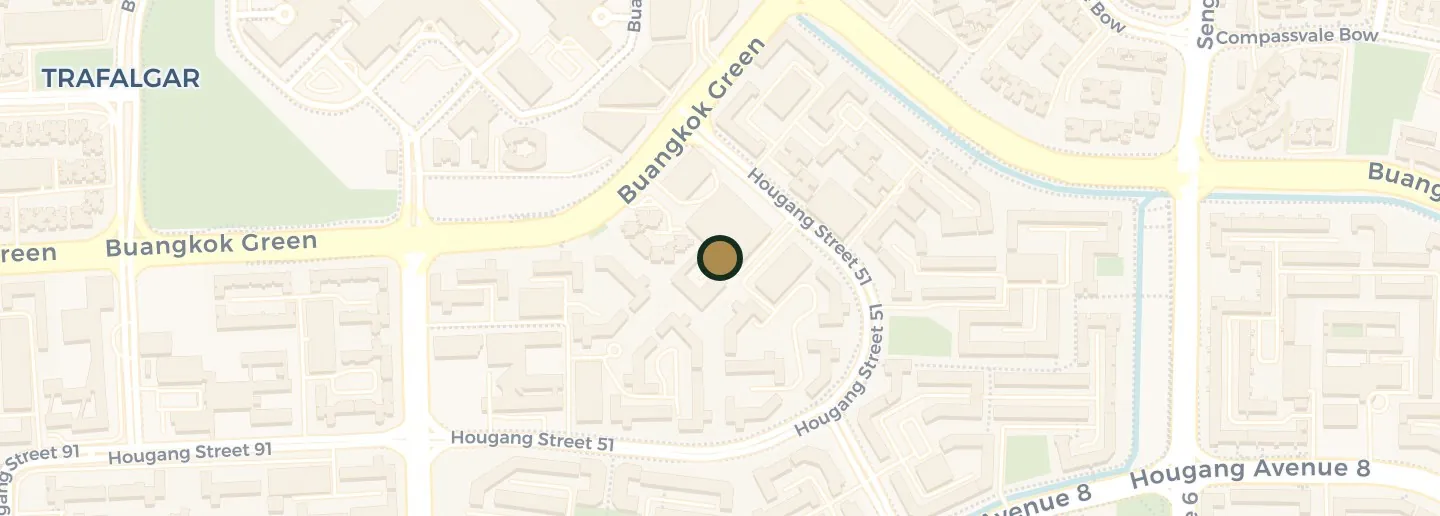
Where to find us
Music Act centres.
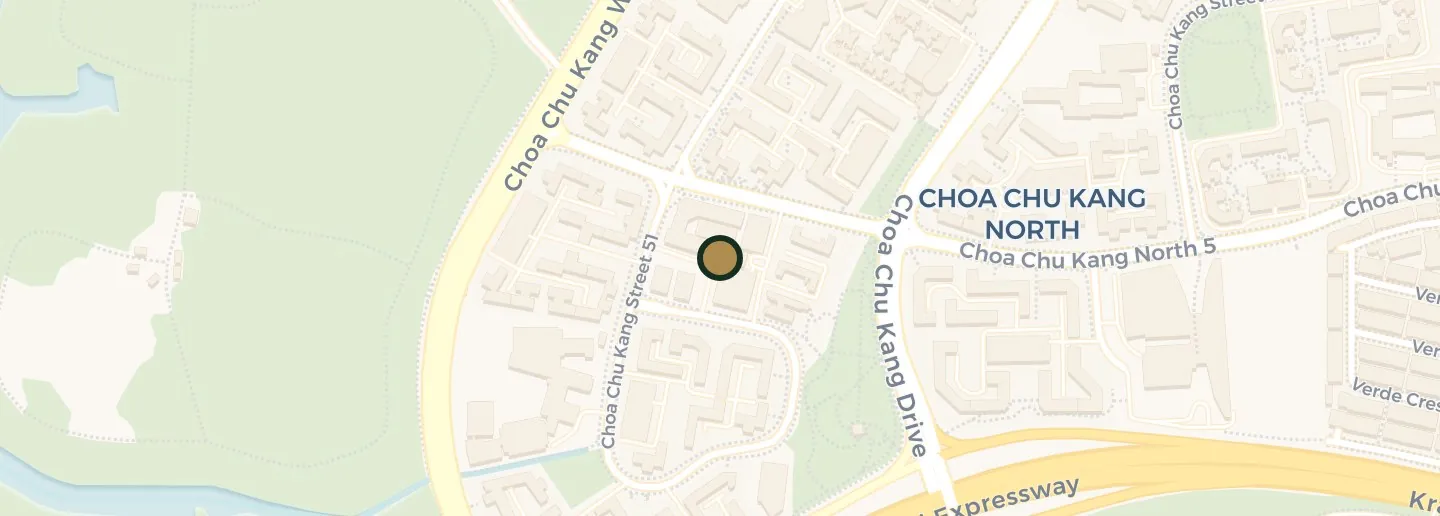
Choa Chu Kang