Violin · ABRSM · one to one
Violin, from open strings to the stage.
Every note on a violin is shaped by the ear and the hand. One teacher stays beside the student, until the playing is fluent, expressive and truly their own. ABRSM grades mark that progress, for those who seek them.

Your own teacher
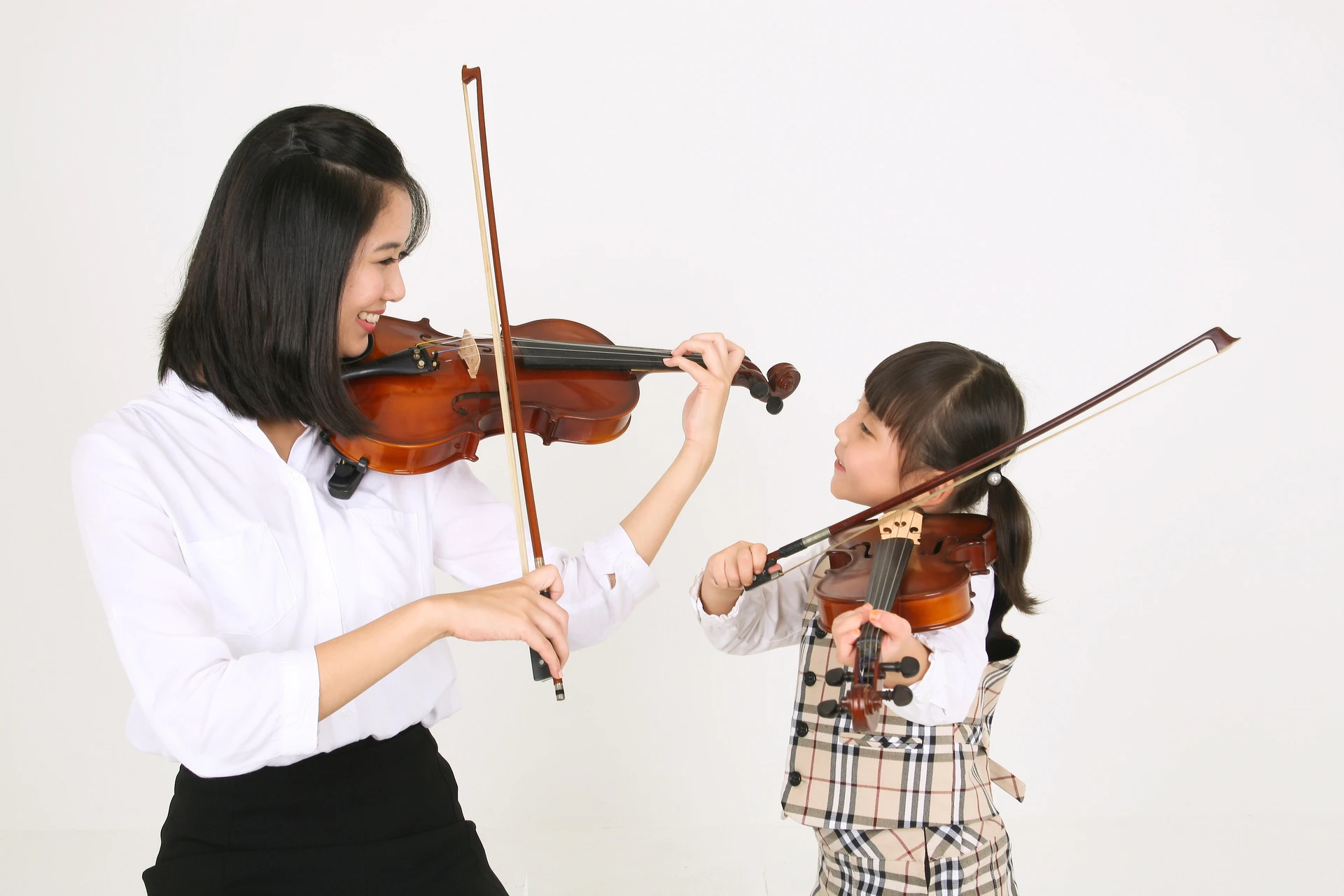
One to one from the first lesson, with a teacher who stays, so the pace and the relationship belong to the student.
The ABRSM standard
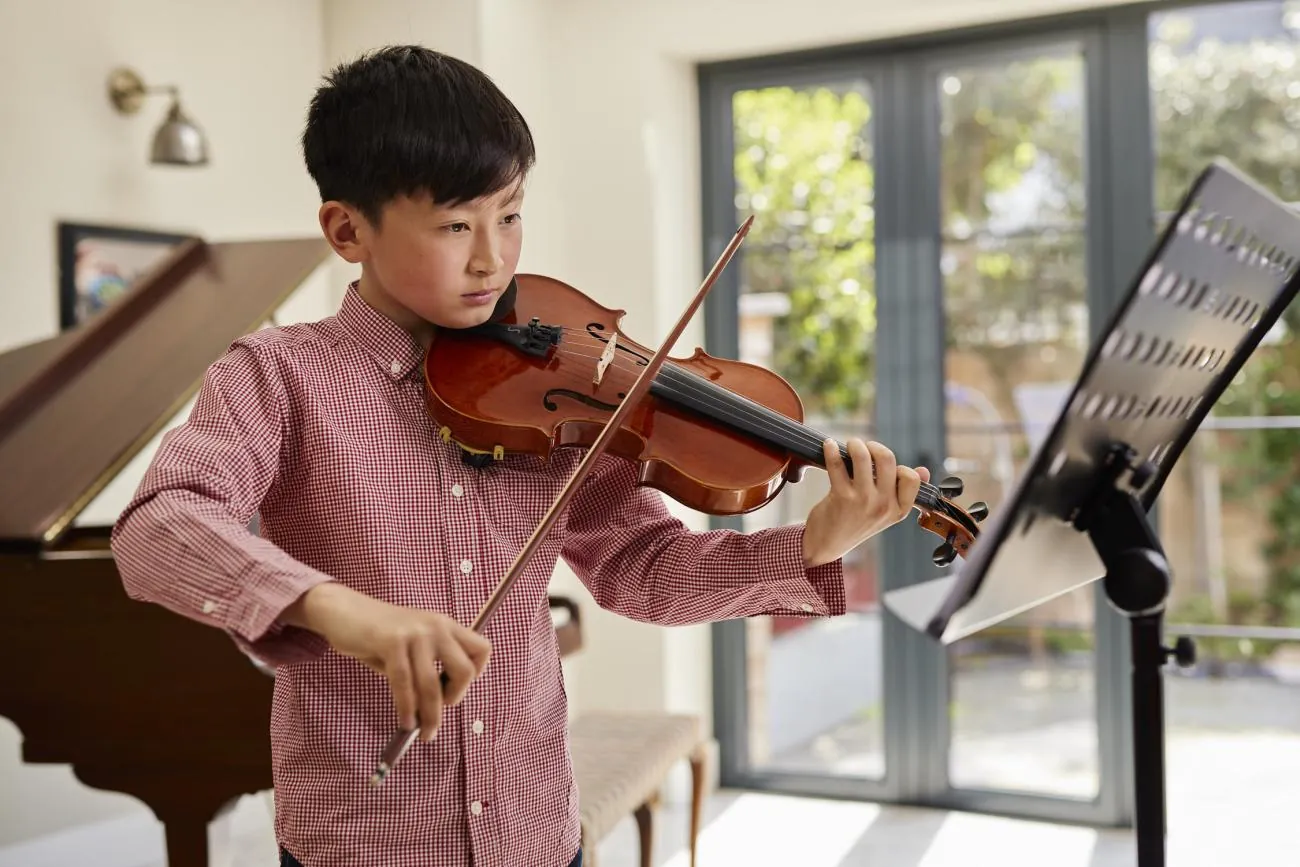
We prepare students for ABRSM excellence, from the first grade to performance diplomas recognised the world over.
Learn at your pace
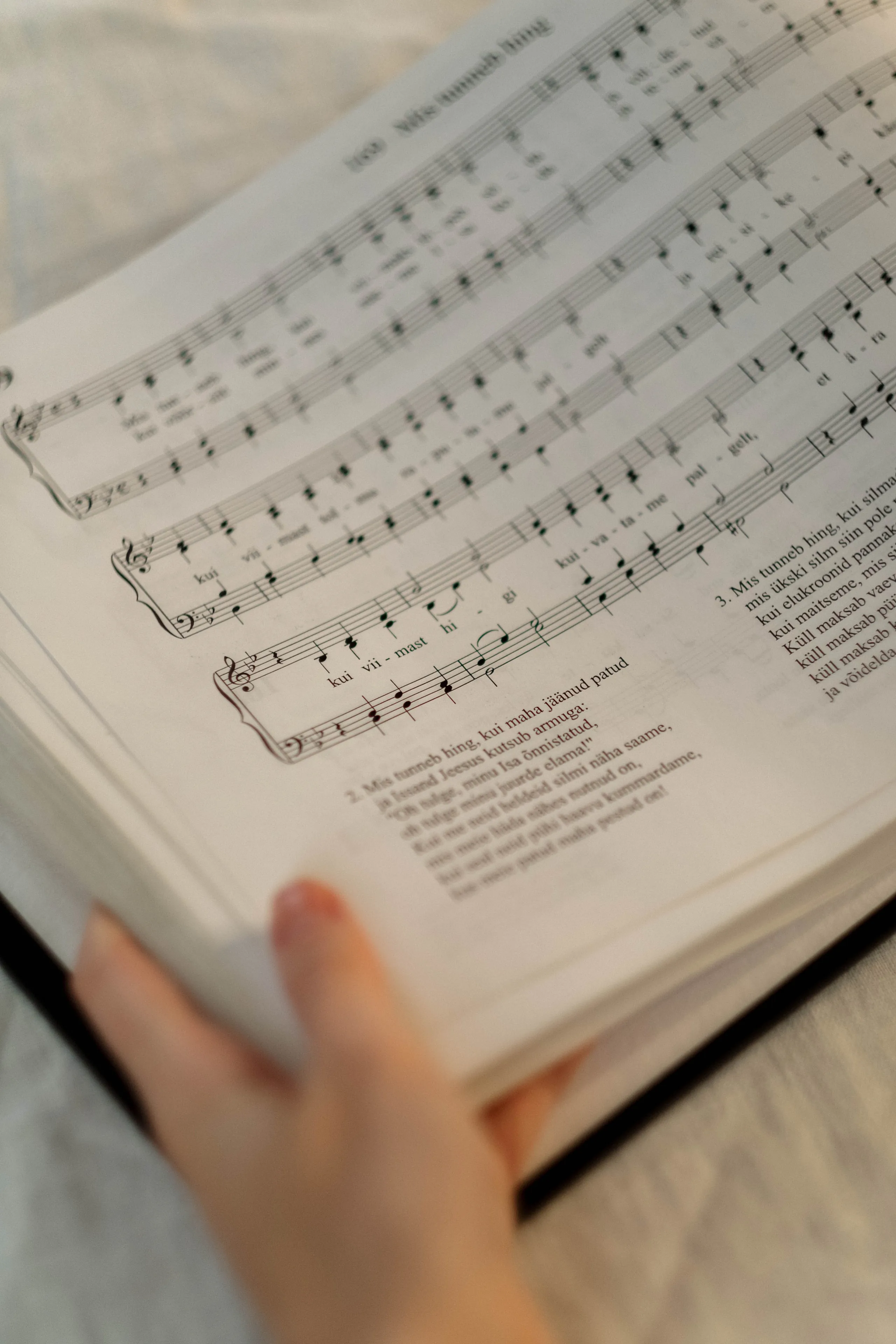
The pace is theirs, faster or gentler as the child needs, and the grades are a choice, taken to diploma or simply for the joy of it.
The ABRSM path
The ABRSM path, from Grade 1 to diploma.
A universal language for musical ability, ABRSM grades are respected benchmarks for achievement around the world. They mark out clear, graded steps from beginner to advanced, and beyond.
Grades 1 to 4, the foundation
Weekly one-to-one lessons of 45 minutes. The scratchy early weeks pass as the bow arm settles, and each grade builds pieces, scales, sight-reading and aural together, with the early grades kept affordable.
Music theory, from the first lesson
Theory is part of every lesson from the very first, woven through the playing itself. Reading, rhythm and the logic of music grow with the bow, so a student understands what they play as they learn it.
Grade 5, a turning point
Lessons lengthen to an hour as tone and intonation are asked to do more. Grade 5 is also the theory gateway: ABRSM asks for a Grade 5 in theory before the higher grades, and because it has been there all along, a student arrives ready.
Grades 6 to 8, real command
The higher grades ask for secure intonation, a singing tone and real interpretation, with the same teacher who has known the student for years drawing out their playing.
Diplomas, beyond Grade 8
For those who want to go on, the ABRSM performance diplomas, ARSM and upward, a serious credential and a real achievement.
At Music Act
Move at your own pace
We do not lock a student to one grade a year. When a child is willing and able, we let them accelerate, and skip a grade where it makes sense. A keen student can move quickly, and no one is held to a timetable that does not fit them.
The grades are always a choice
Some students take every grade to diploma; others sit only a few, or none at all, and learn to play well for the pleasure of it. Both are welcome here, and we prepare a child either way.
ABRSM & DSA
ABRSM, a path to Direct School Admission.
ABRSM is an internationally recognised standard, and a strong record supports Direct School Admission to both secondary schools and junior colleges, with higher grades recognised by universities.
The Music Act difference
Fair fees, everything included.
We keep fees affordable on purpose, so excellent teaching stays within reach for many more families.
Music Act Student Benefits
As a student here, your family enjoys priority and preferred rates to make learning both excellent and affordable.
Questions
Questions parents ask about violin.
Do you provide a violin to start?
We can point you to the right size and a sensible first instrument, and as an authorised Yamaha dealer we can help you buy one when you are ready. Many families start with a modest violin and move to a larger one as the child grows.
My child is small. What size violin do they need?
Violins come in fractional sizes, from a quarter or a half up to full size, matched to the length of the child’s arm. We measure and advise at the first lesson, and adjust as they grow.
What age can a child start?
Children often begin violin in the early primary years, sometimes earlier, depending on size and attention span. A trial month is the surest test. We will confirm start ages with you.
Why is the trial a whole month, instead of a single class?
The trial is a paid trial month, four weekly one-to-one lessons at the usual fee, not a single free lesson. A month gives teacher and student time to get to know each other properly: the teacher learns how your child hears, bows and paces, and your child has room to settle in and connect with the teacher and the music. One lesson rarely shows any of that. It is a considered start, not a taster.
Are ABRSM exams compulsory?
No. The grades are there for those who want milestones; others simply learn to play. The choice is always the student’s, and we prepare them either way.
Can my child move faster, or skip a grade?
Yes, when they are ready. We do not lock a student to one grade a year: a capable, well-prepared student can skip a grade, while another takes the time they need. We advise honestly on what suits your child.
Is violin harder to start than piano?
The first months ask more of the ear, since there are no frets and the player makes each note’s pitch by hand. It is very learnable with patient, one-to-one teaching, and that early stretch is exactly what a good teacher is there for.
Contact us
Come and talk to us.
We'd love to hear from you! Whether it is a music class, an instrument purchase or music studio rental, let us know how we can help!
- WhatsApp · Choa Chu Kang 8030 2009
- WhatsApp · Hougang 8701 9818
- Email enquiries@musicact.sg
 Yamaha Licensed Music School
Yamaha Authorised Dealer
Where to find us
Music Act centres.
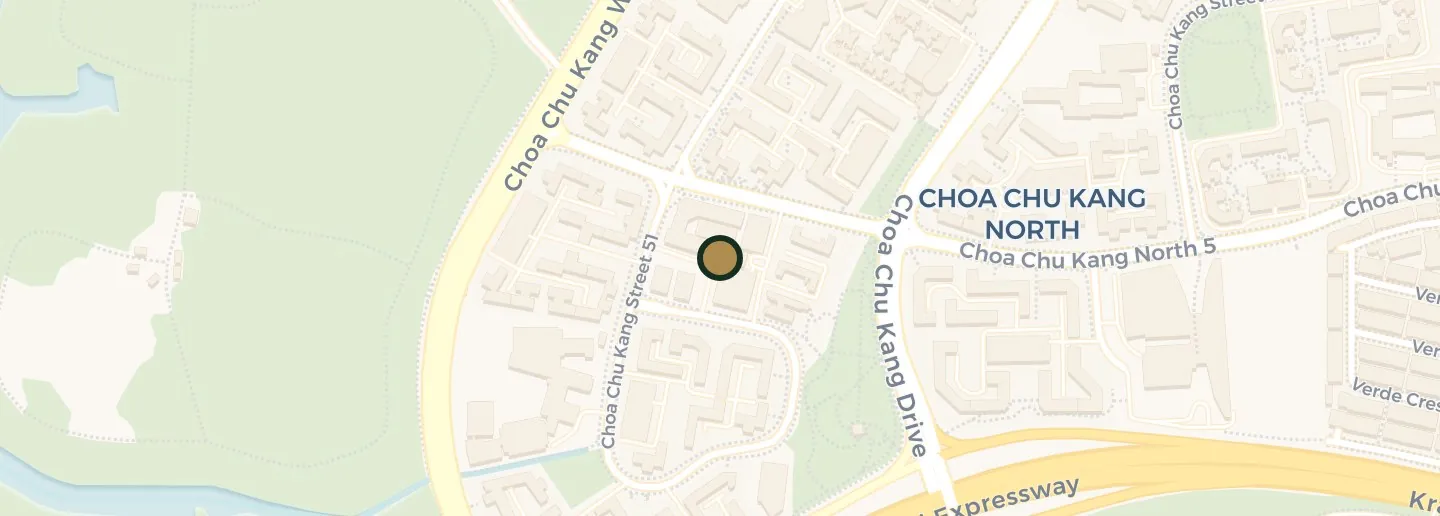
Choa Chu Kang