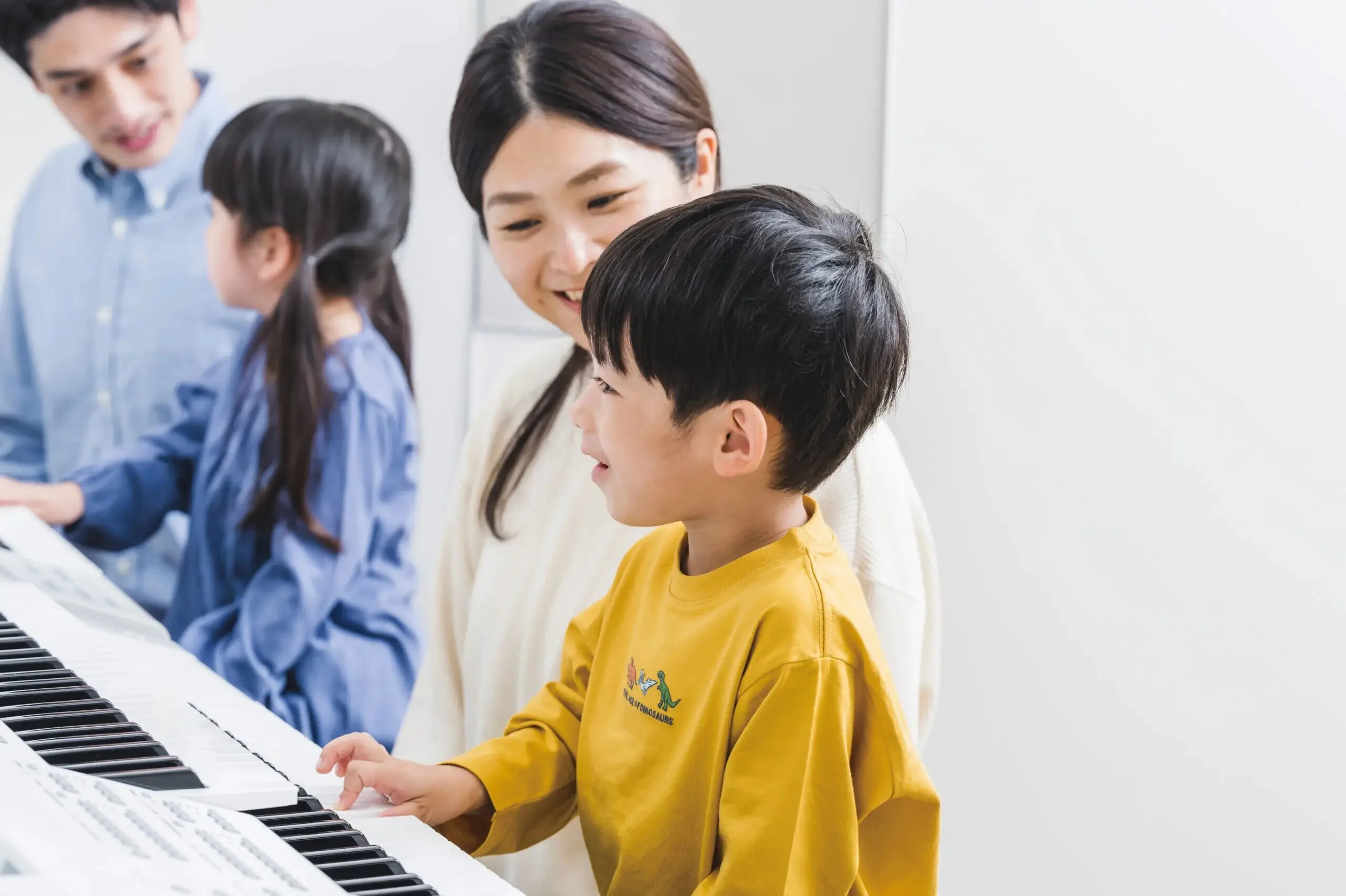
Yamaha Primary Course · group classes · ages 3 to 5
Where music begins.
The Yamaha Primary Course is where the youngest children first meet music, through listening, singing and play. A joyful beginning at Music Act, a Yamaha-licensed school.
 Yamaha Licensed
Music School
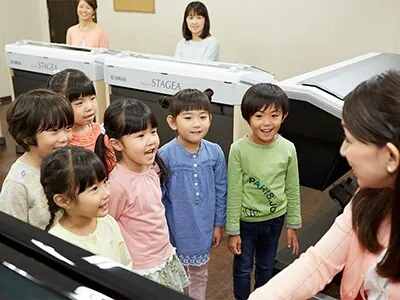
A trained ear
Children learn to hear and sing what they play, in tune and in time, the foundation every musician builds on.
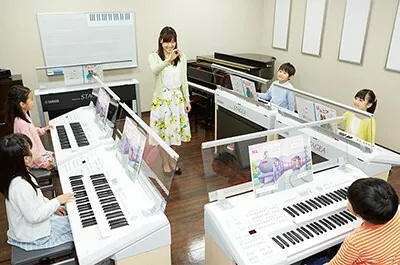
Real musicianship
Playing with both hands, reading both clefs, and the confidence that comes from a small group learning together.

A love of playing
Above all, a child who enjoys music and wants to carry on, ready for lessons of their own.
Two age groups
A start shaped to your child's age.
Every child begins where they are. A parent joins the youngest classes, and steps back as confidence grows.

Age 3 · one year
Explorer
A first year of music and play, with a parent alongside. Songs, movement and listening open a young child's ear at the age it grows fastest.
Ages 4 to 5.5 · two years
Primary Course
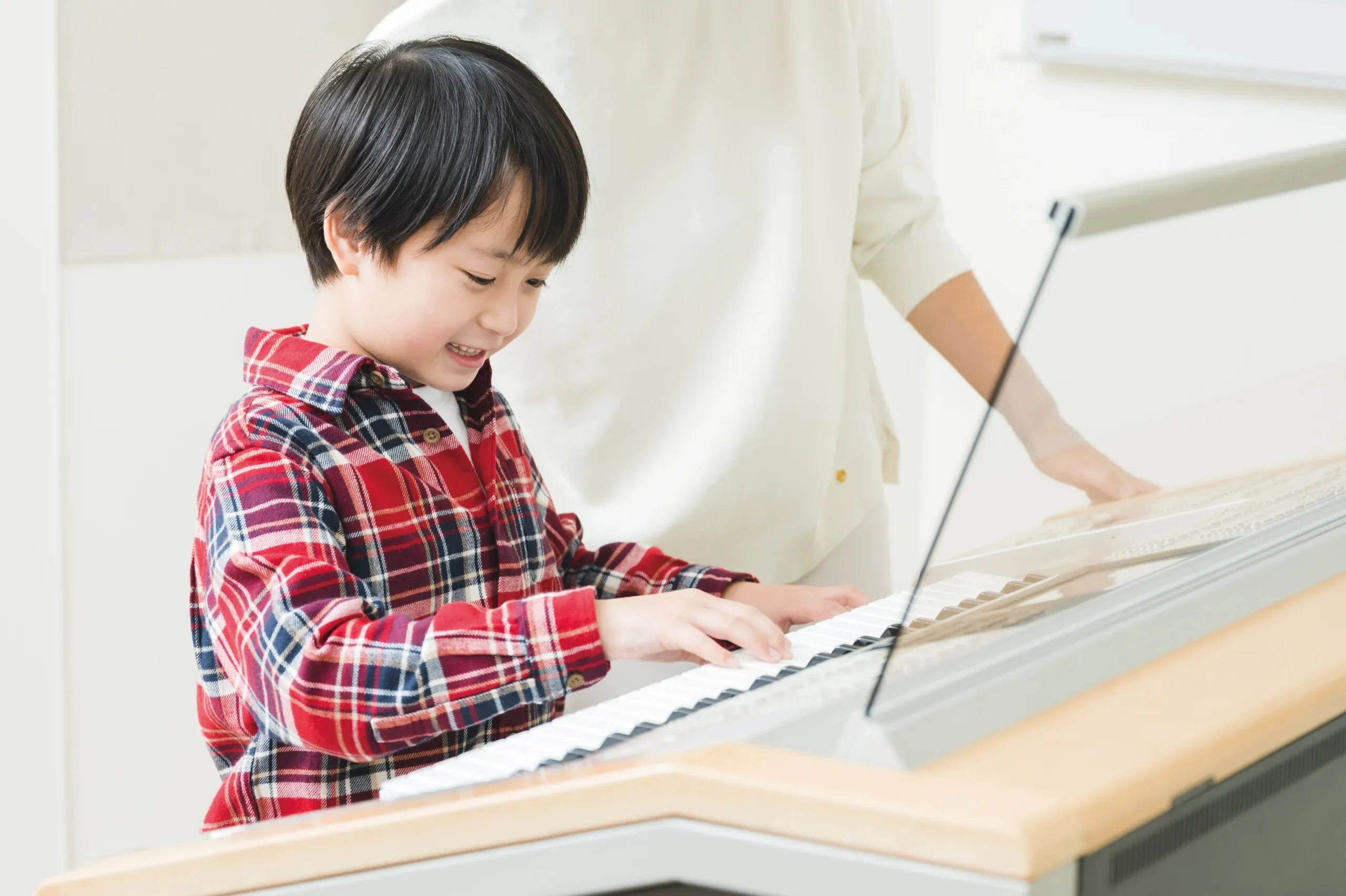
At four and five, children are full of self-expression and imagination. Over two years they learn to sing, play the keyboard with both hands, and read the notes they play, growing that natural musicality in the company of a small group.
How it works
The window that matters most.
- The ability to discern music (musical sense)
- Finger dexterity
- The ability to read music
Yamaha calls it Timely Education: teaching each ability at the age a child is most ready for it. A young child's ear for music develops fastest between three and six, so the Primary Course is built to make the most of that window.
The method follows the ear. Children listen, sing, then find a piece on the keys before they ever read a note, so music arrives as sound and feeling first, the way a first language does. Along the way they meet a wide range of real, well-made music, which gives a young imagination room to grow. By the end of the course, many can recognise the notes they hear, Do, Re, Mi, by ear alone, with reading and technique following in their own time.
Fees
Open, term-by-term fees.
The Primary Course is billed by the term, on Yamaha's own programme. We keep it to a fair, heartland price.
New terms begin four times a year, in January, April, July and October. We will help you find the group that fits your child's age.
Music Act Student Benefits
As a student here, your family enjoys priority and preferred rates to make learning both excellent and affordable.
Where it leads
Ready for whatever comes next.
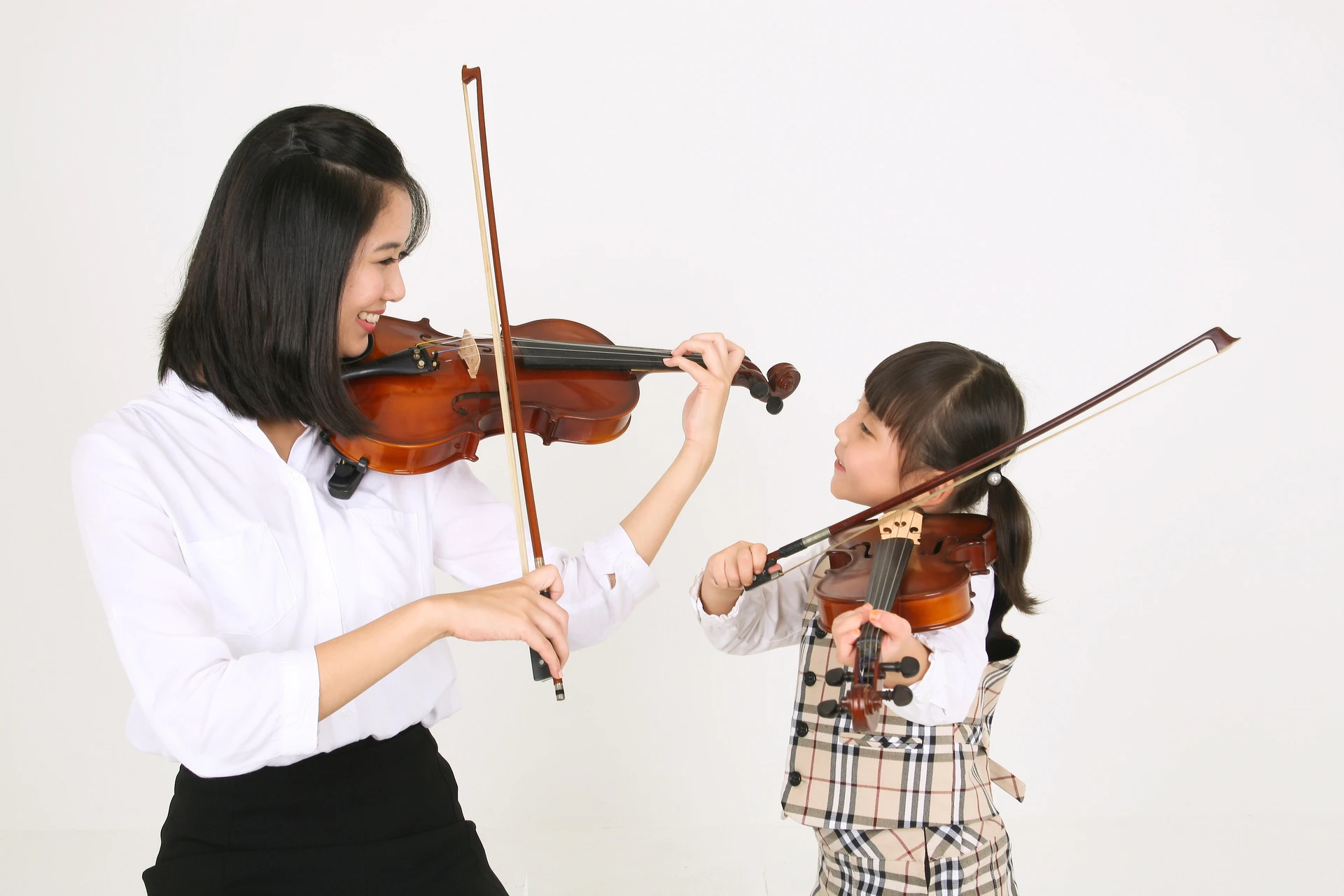
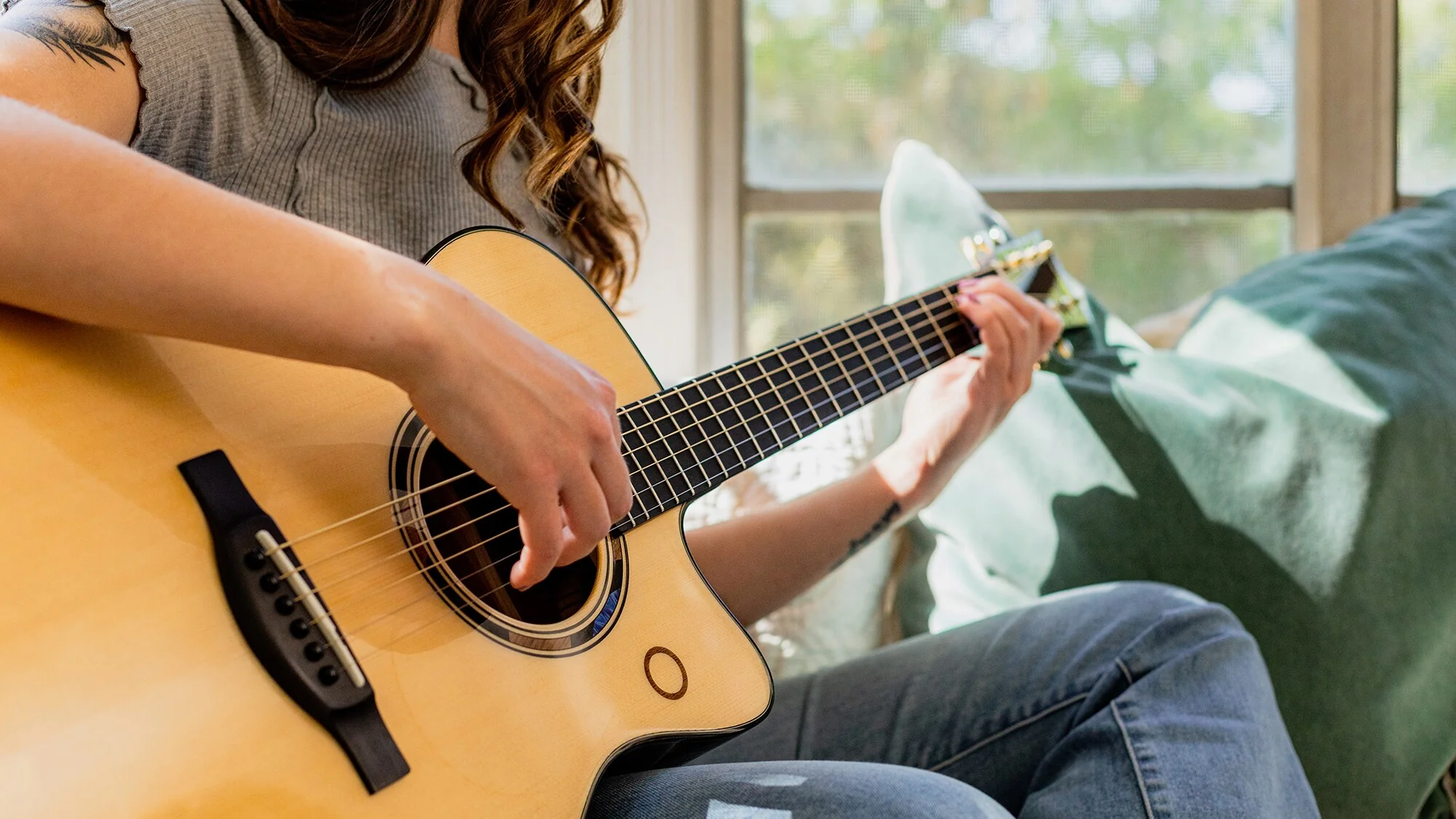
The Primary Course gives a child the ear and the reading that make any next step feel natural. When they are ready, we will help you choose it.
Questions
Questions parents ask about the Primary Course.
What age can my child start?
Explorer is for three-year-olds, and the Primary Course itself runs from four to five and a half. The preschool years are the natural time to begin, because a child’s ear grows fastest then.
Does my child need any musical background?
None at all, and no musical background from you either. The course assumes no experience, and draws out the musicality every child already has.
Do I stay in the class with my child?
For the youngest, yes, and it is part of the method. Your presence settles a young child and gives you the songs to carry on at home. It eases as they grow more independent.
What instrument do they use, and do we buy one?
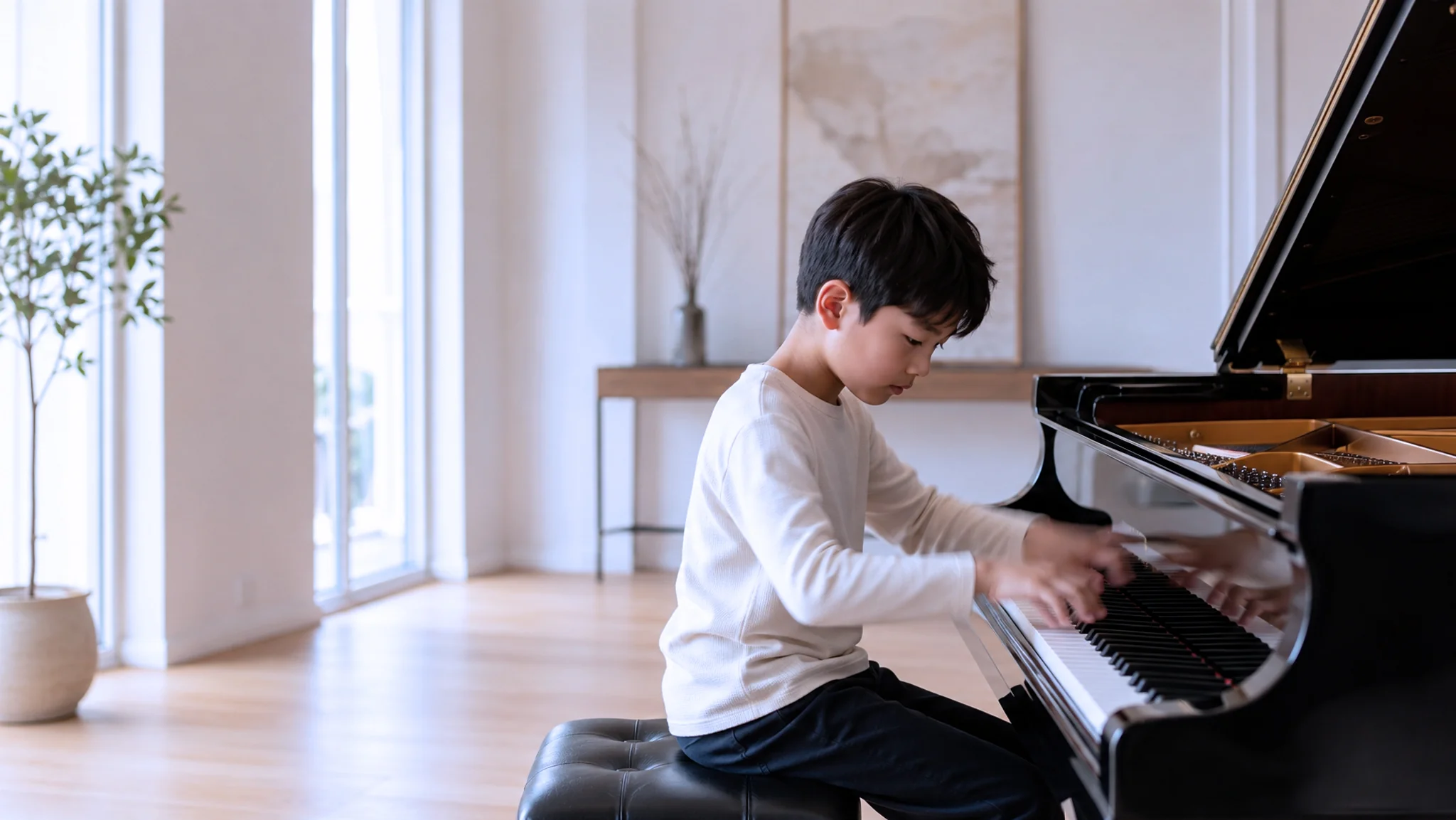
A keyboard in class, alongside singing and listening. There is nothing to buy to begin. A home instrument comes later, with one-to-one lessons.
Is this real learning, or just play?
Both. Listening, singing, playing, reading and creating are all taught through play, which is how young children learn best. The play is the method, not the ceiling.
How big are the classes, and how long?
A small group, one class a week of about fifty minutes, with eleven lessons a term.
How do we start?
Tell us your child’s age and your preferred centre, and we will guide you to the right class and the next intake.
Contact us
Come and talk to us.
We'd love to hear from you! Whether it is a music class, an instrument purchase or music studio rental, let us know how we can help!
- WhatsApp · Choa Chu Kang 8030 2009
- WhatsApp · Hougang 8701 9818
- Email enquiries@musicact.sg
Yamaha Licensed Music SchoolYamaha Authorised Dealer
Where to find us
Music Act centres.
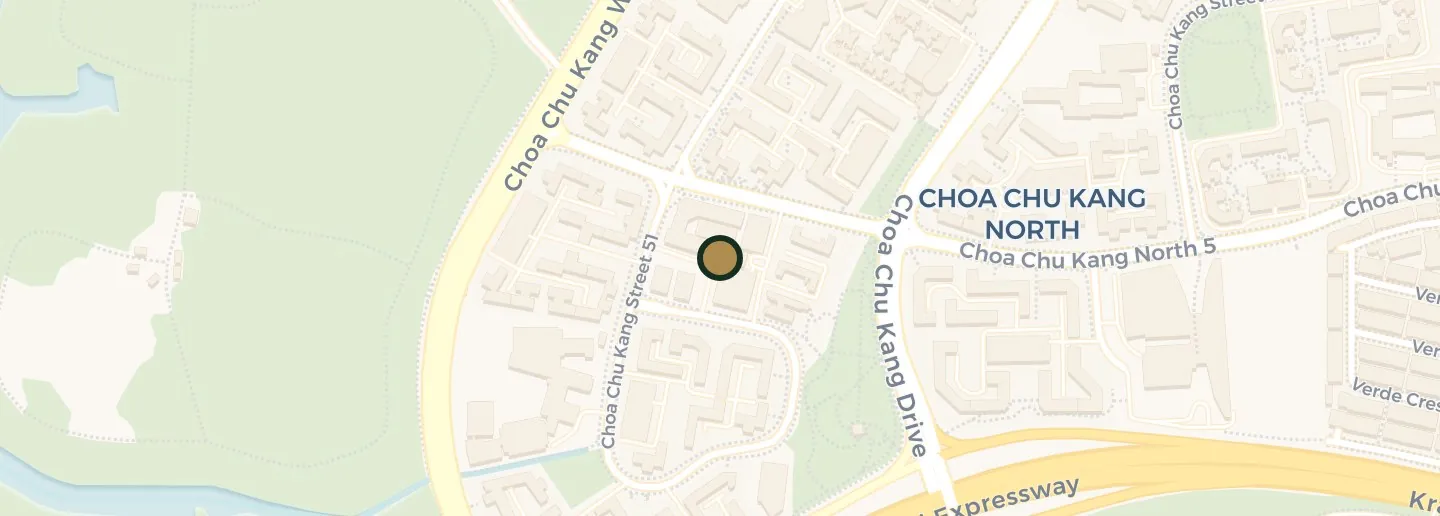
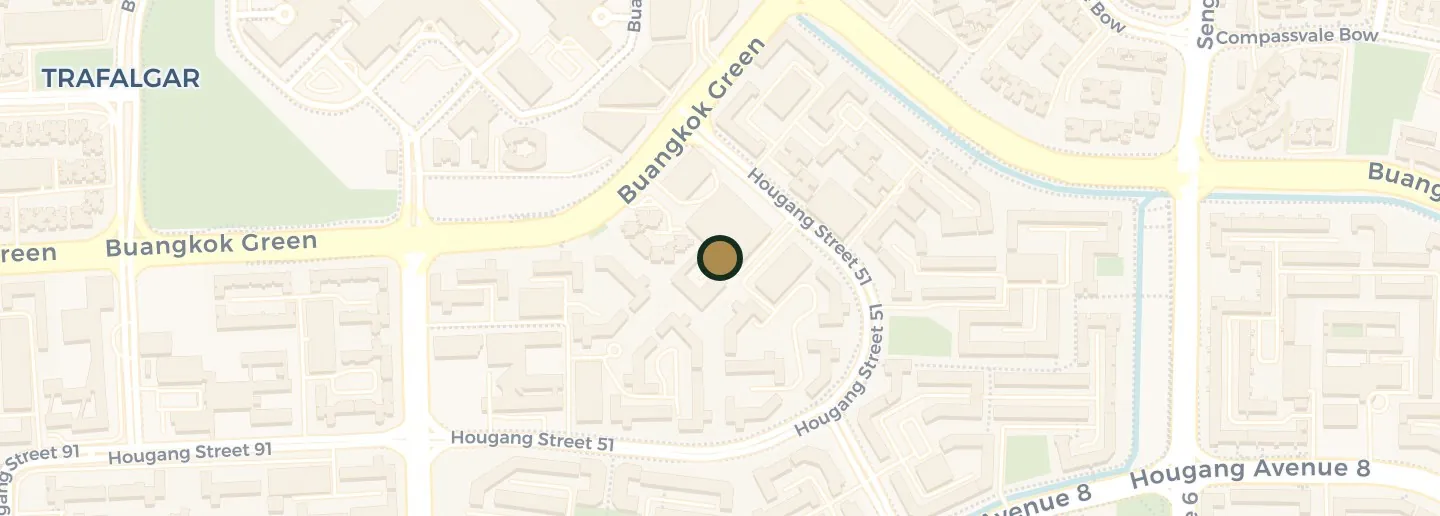
Choa Chu Kang